


The Art of Compassion: Managing Sensitive Calls in a Medical Setting
Think about getting a call that could have a lasting impact on someone. In the medical field, managing these sensitive talks with effective communication abilities is important. Compassion isn’t just a nice-to-have; it’s essential for effective and compassionate communication. You’ll learn what makes these calls unique, find ways to recognize emotions, learn helpful methods to build rapport with people, and improve communication with patients. Want to change the way you interact with patients? Let’s dive in.
The Importance of Compassion
Research shows that compassionate care can increase patient satisfaction scores by up to 30%, enhancing overall trust in healthcare providers.
A study at a large hospital showed that patients felt less anxious and got better faster when nurses were kind and caring.
Using active listening methods, like repeating back patient concerns or recognizing emotional pain, can greatly improve these interactions.
Tools like the Schwartz Center for Compassionate Healthcare provide training resources to healthcare professionals.
By encouraging empathy and kindness, institutions improve satisfaction scores and create better healthcare experiences for patients and staff.
Understanding Sensitive Calls
Sensitive calls in healthcare often deal with emotional topics, like giving bad news or discussing urgent patient issues, and need a lot of empathy.
In these situations, it’s important to use methods that help build relationships and clear communication.
For example, when discussing a terminal diagnosis, begin by ensuring privacy and maintaining a calm demeanor. Use clear, compassionate language and allow time for the patient to process the information.
Another common sensitive call might involve addressing billing issues or treatment options; here, active listening and validating the patient’s feelings can alleviate their anxiety.
Tools such as ‘Empathy Maps’ can help structure your approach by focusing on the patient’s emotional experience, ensuring a thoughtful response in these challenging interactions.
The Nature of Sensitive Calls

Sensitive calls involve different situations that need careful handling and a thorough knowledge of patient needs, like explaining treatment choices or talking about end-of-life care. To ensure these calls are managed effectively, it’s important to understand what matters most when choosing a medical answering service. Learn more about selecting the right service to support patient communication.
Types of Sensitive Calls
Sensitive calls can include informing patients about diagnoses, discussing financial burdens related to treatment, or addressing complaints and grievances.
These calls often need a custom approach due to their emotional significance and require good manners on the phone.
When giving a diagnosis, it’s important to speak clearly and kindly, and provide time for questions.
Financial discussions might involve tools like patient financing applications to ease burden concerns.
Addressing grievances demands active listening and a structured follow-up process to demonstrate commitment to resolution.
Provide employees with specific training materials and scripts for different situations, allowing them to manage these delicate conversations confidently and compassionately while ensuring patient-centered care.
Common Scenarios in Medical Settings
Common scenarios include phone calls to inform patients about abnormal test results, scheduling critical consultations, or responding to urgent medical questions.
In every situation, be kind, caring, and aware of how others feel. When giving bad news, speak clearly and directly, and give the patient time to understand the information. For example, you might say, ‘I have some concerning results to discuss with you,’ ensuring you are following healthcare protocols.
For scheduling consultations, be prepared with available time slots and offer flexibility, emphasizing the importance of the appointment.
When addressing urgent questions, listen actively and reassure patients that their concerns are valid, ensuring they feel supported and understood.
Emotional Intelligence in Communication

Emotional intelligence is important for healthcare workers, influencing how they connect with patients and respond to their feelings effectively through therapeutic communication.
Defining Emotional Intelligence
Emotional intelligence involves knowing your own emotions, managing them, having motivation, recognizing others’ feelings, and having strong social skills. These skills are important for giving good care to patients.
In a healthcare setting, self-awareness allows practitioners to recognize their own emotions and biases, enabling better interactions with patients. For instance, a nurse who understands her stress levels will communicate more calmly with anxious patients.
Self-regulation helps manage these emotions, ensuring responses remain professional. Empathy allows caregivers to connect with patients on a human level, significantly enhancing patient experience. Strong social skills facilitate effective teamwork among staff, improving overall care coordination.
Programs for emotional intelligence can improve these skills and result in better patient care.
Developing Empathy
Developing empathy in healthcare professionals can improve patient interactions, leading to a 20% increase in positive feedback from patients.
To build empathy, try using programs like the Empathy in Healthcare Workshop that combine role-playing activities with real patient situations.
Tools like the Empathy Mapping Canvas can help professionals visualize patient experiences.
The use of video reflections-where practitioners review recorded interactions-encourages self-assessment and growth.
Taking part in peer discussion groups on a regular basis helps build a place for shared learning and support, which encourages learning and empathy in everyday healthcare environments.
Active Listening Techniques

Active listening is an important ability in healthcare. It helps providers fully grasp patient concerns and reply suitably, which builds trust.
Reflective Listening
Reflective listening means repeating what the patient says to make sure you understood them correctly, a key component of distress management. This helps avoid mistakes and makes patients happier.
To implement reflective listening effectively, start with phrases that validate the patient’s feelings, such as:
- ‘It sounds like you’re feeling overwhelmed,’
- ‘I hear you saying that your pain has increased.’
This demonstrates empathy and prompts patients to express their concerns in detail. Repeat key points during the conversation to confirm accuracy, such as, ‘So, am I right that you’re experiencing this symptom more often?’ These methods build trust and make the patient feel understood, improving the overall care experience.
Verbal and Non-Verbal Cues
Knowing both spoken language and body language can make communication better in healthcare settings, since body language is a big part of how people talk to each other.
In patient interactions, focus on signs like facial expressions, body language, and tone of voice, as these are important non-verbal signals. For example, a patient’s furrowed brow may indicate confusion or discomfort, while crossed arms might suggest defensiveness.
Respond with empathy, asking open-ended questions like, “Can you tell me more about what’s troubling you?” Maintain a warm tone and open posture to encourage dialogue.
Regularly practicing active listening-by confirming and repeating what you’ve heard-can create a trusting environment, which helps improve patient outcomes.
Building Rapport with Patients

Creating a connection with patients helps create a supportive dialogue, which greatly increases their readiness to participate in their own care and treatment plans.
Establishing Trust
Establishing trust requires consistent communication, transparency, and a genuine interest in patient advocacy, leading to better health outcomes.
To build this trust, healthcare workers should set up regular check-ins, like planning calls or using secure messaging.
Providing open talks about treatment choices, including possible side effects and other options, supports patient dignity and helps patients make informed decisions about their care.
Utilizing tools like patient portals can facilitate transparent communication, allowing patients access to their health records and test results at any time.
When healthcare workers create a caring atmosphere where patients feel listened to and educated, it can greatly improve the connection between patients and healthcare workers.
Personalizing Communication
Changing communication to meet each patient’s specific needs and preferences greatly improves their experience and satisfaction.
To do this, start by greeting patients using their names-this simple gesture builds a bond.
Next, take the time to understand their preferences; consider asking about their communication style or preferred contact times during the first visit.
Pay attention to their emotional cues; for example, if a patient seems anxious, use calming language and offer reassurance.
Use patient management software to document these observations, resulting in more effective discussions in upcoming appointments.
This method can turn your practice into a space that focuses on patients.
Managing Difficult Conversations

Dealing with difficult conversations in healthcare is important, especially when discussing sensitive issues like failed treatments or results, and ensuring compliance with healthcare ethics.
Dealing with Anger and Frustration
Dealing with angry or frustrated patients requires active listening, empathy, and calmness to de-escalate tensions effectively, practicing crisis intervention.
Start by using phrases like, “I understand how you feel, and I’m here to help,” which acknowledge their emotions. Maintain an open body posture and appropriate eye contact to convey your willingness to listen.
Understand their concerns; for example, say, “It’s okay to feel upset now.” If the discussion gets too intense, try resolving the conflict by taking a break or asking if they want to discuss it later.
Ensuring a calm environment can also significantly aid the process, providing emotional support and mental health support when necessary.
Providing Bad News with Verbal Reassurance
Providing bad news sensitively can lead to better patient acceptance and coping, reducing anxiety and confusion in challenging situations while maintaining professional boundaries.
- Start by preparing for the conversation. Gather all relevant information about the diagnosis and treatment options.
- Use simple, kind language to create good relationships. For example, say, ‘I have some bad news about your health.’ Avoid technical terms to make sure it’s clear.
- After sharing the news, take a moment for the patient to understand it. Encourage questions by asking, ‘What concerns do you have?’
- Offer additional support by arranging further meetings or offering information that helps patients handle their emotions and decisions well, incorporating proactive communication and referral processes.
Cultural Sensitivity in Healthcare Communication
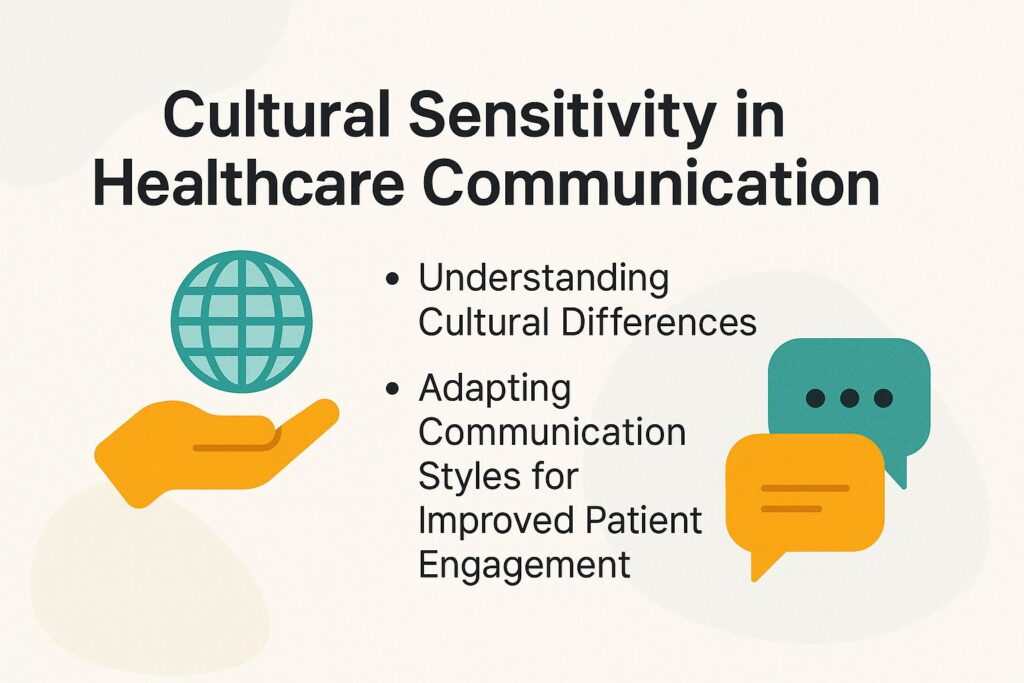
Knowing cultural differences in communication is important for effective healthcare. It helps providers to communicate respectfully with patients from different backgrounds, improving healthcare outcomes and reducing communication barriers.
Understanding Cultural Differences
Knowing about cultural differences helps healthcare providers avoid misunderstandings because cultural beliefs affect how patients see and respond to health problems.
For example, in some cultures, talking about sickness openly is not allowed, so patients may not share important details during medical visits. Similarly, patients from collectivist backgrounds may prioritize family consensus in healthcare decisions, which can delay treatment if providers push for individual decisions.
To solve these problems, healthcare providers should take part in cultural competence training, use interpreters when needed, and encourage open discussions that respect cultural values, utilizing community resources and language sensitivity.
Tools like the Cultural Formulation Interview can help practitioners assess and integrate patients’ cultural contexts into their care effectively.
Changing Communication Methods for Better Patient Interaction
Changing how we communicate to match the cultural background of patients can improve comprehension and lead to better health results.
Begin by studying common language details and expressions to make sure communication is clear. For instance, using simple language and avoiding jargon can help non-native speakers and prevent emotional discharge.
Observe non-verbal cues; gestures differ widely across cultures-like a thumbs up being positive in some regions but offensive in others. This awareness is critical in stress responses and emotional regulation.
Show cultural sensitivity by acknowledging significant local customs or beliefs during discussions, such as recognizing dietary restrictions during treatments.
Tools like translation apps or cultural competence workshops can also aid in bridging communication gaps effectively.
Practical Strategies for Compassionate Communication and Service Recovery

Using clear and kind communication methods can greatly increase patient participation and satisfaction in healthcare settings by improving how relationships and interactions with those involved are managed. See also: how medical answering services help handle angry callers for insights on managing challenging situations effectively.
Using Positive Words to Improve Patient Feedback
Using positive language can improve patient perceptions and experiences, with studies showing a 25% increase in satisfaction when positivity is emphasized.
For instance, instead of saying “You need to stop eating junk food,” use “Including more fruits and vegetables in your diet can improve your health.” This small change encourages better choices and creates a supportive conversation.
To develop positive communication patterns, practice rephrasing your statements. Collaborate with colleagues to identify common negative phrases and brainstorm positive alternatives, thus enhancing interpersonal skills and emotional resilience.
Using tools such as role-playing and feedback sessions can improve your skills, leading to positive interactions with patients and better problem-solving capabilities.
Following Up with Patients through Telehealth and Outreach Programs
Following up with patients post-visit can improve adherence to treatment plans and overall satisfaction, as shown by a 40% increase in compliance rates, reinforcing the importance of follow-up procedures.
Useful follow-up methods involve direct phone calls, scheduled email alerts, and patient portals for sharing details.
For example, a simple phone call can answer any patient questions and strengthen treatment goals, creating a personal connection. Automatic email alerts inform patients about medication refills or scheduled follow-up appointments, reducing missed visits.
Implementing a patient portal allows patients to access their health information and communicate with healthcare providers directly, enhancing engagement and improving healthcare accessibility. Each method can be changed to fit your practice’s routine, ensuring you have a thorough plan for follow-ups that respects patient privacy and confidentiality.

About the Author
I’m Keith Chambers, a Princeton University graduate with a bachelor’s degree in human resource management and psychology. I’ve owned a successful medical answering service company in California for 20 years, specializing in emergency call handling, healthcare communication, and patient access solutions. I’m also a contributing writer for Medical Call Service, where I help practices streamline communication and improve patient outcomes through better service design.
Leave a Reply